Identity of the Department
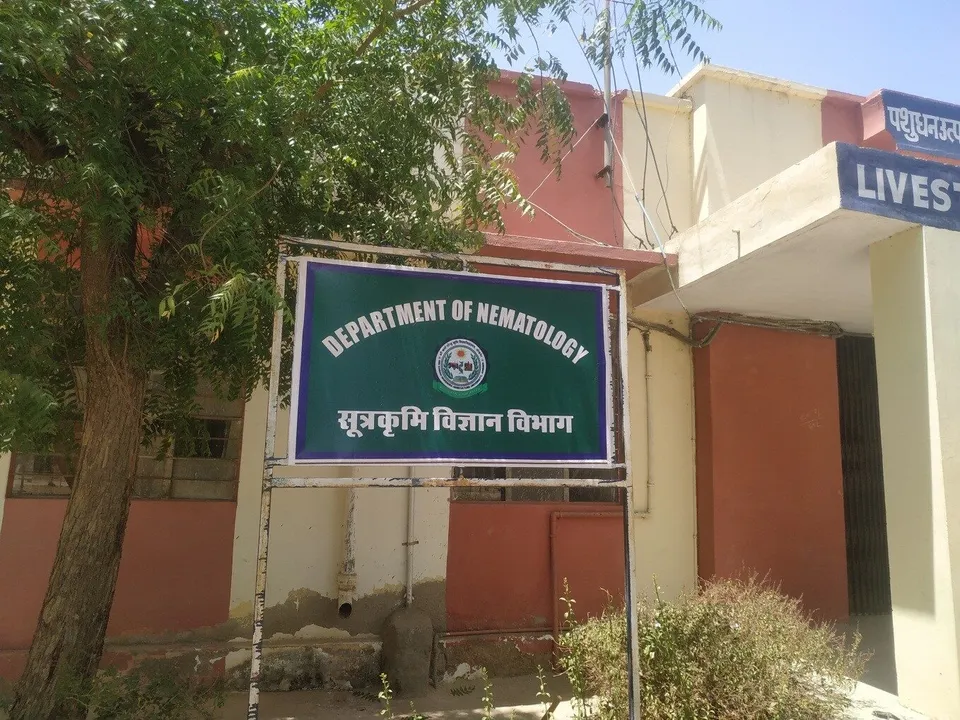
The Department of Nematology established in the year 2002 as an integral part of SKN College of Agriculture, Jobner. Dr. G.L. Sharma was first Head of the Department of Nematology. The post graduate programme for Master of Science degree in Nematology was introduced from the academic session 2018-19 at RARI, Durgapura in the leadership of Dr. R.L. Midha and it was transferred at SKN College of Agriculture in the academic session 2020-21. and the department was upgraded as PG department in the academic session 2020-21. At present, Dr. M.R. Choudhary is Head of the Department of Nematology and Dr. B.S. Chandrawat is Incharge of the Department. Teaching, research and extension are becoming the main activities of the department. At that time the major responsibility of this department is to conduct research, to take undergraduate and Postgraduate (M.Sc.) teaching and extension of management technologies.
Aims and Objectives
Department would continue to provide trainings to the farmers and dealers for making them aware with the nematode problems and their management. Efforts would also be initiated for conducting fundamental and basic research on use of botanicals, oil-cakes and bio-agents for nematode management. More emphasis will be given on practical aspects of nematode management while preparing the students so they can very well understand the farmer’s problems and can face the future challenges.
- To offer good quality education in the discipline of Nematology
- To create awareness about nematode disease problems in view of the climate changing scenario.
- To develop eco-friendly, cost effective and appropriate technologies for nematode management in protected cultivation, vegetables, fruits, seed spices and other crops etc.
- To transfer the technologies for nematode disease management to the end users effectively and efficiently through informative tools.
Facilities or Infrastructure
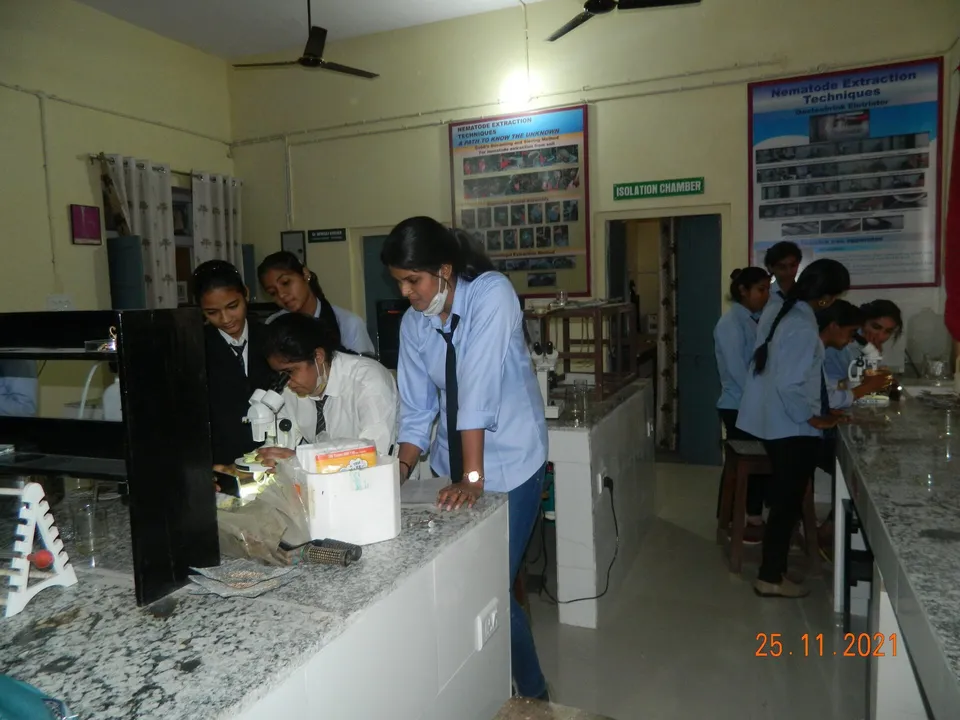
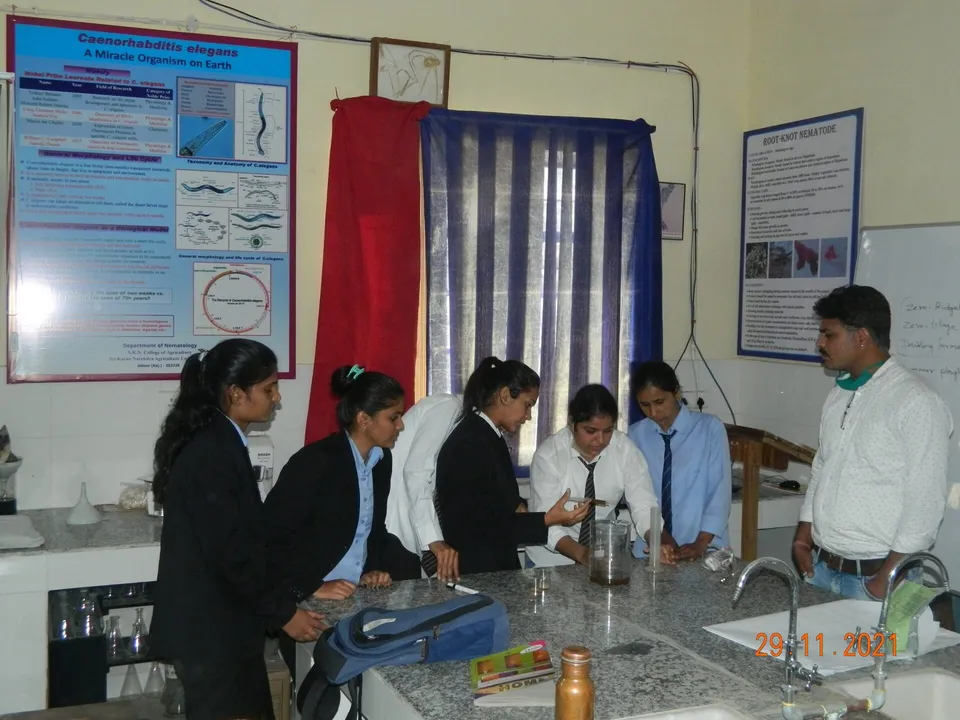
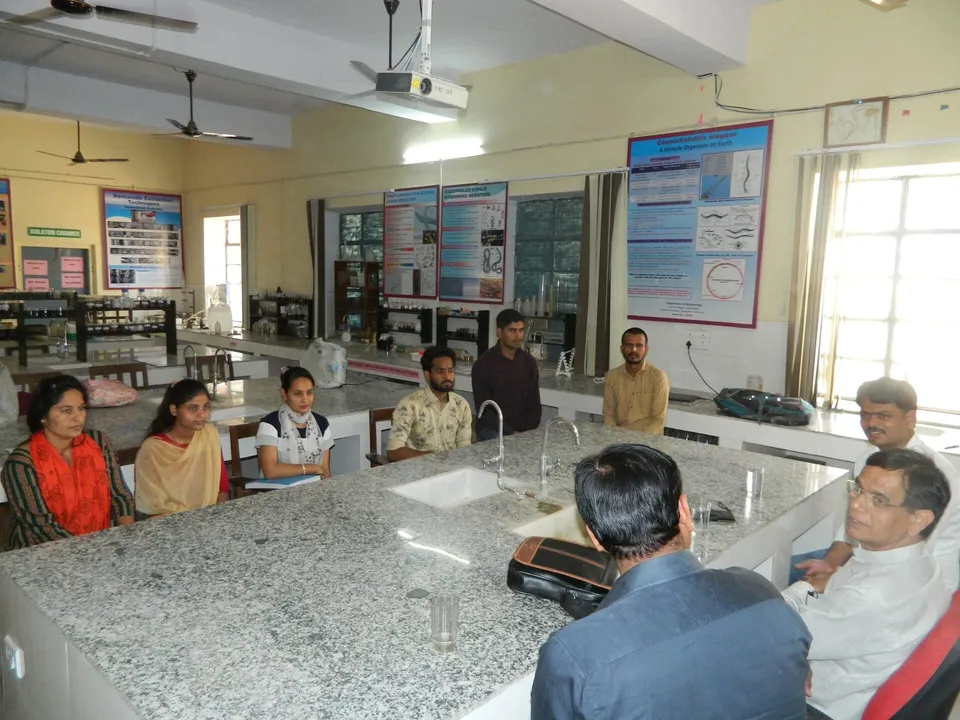
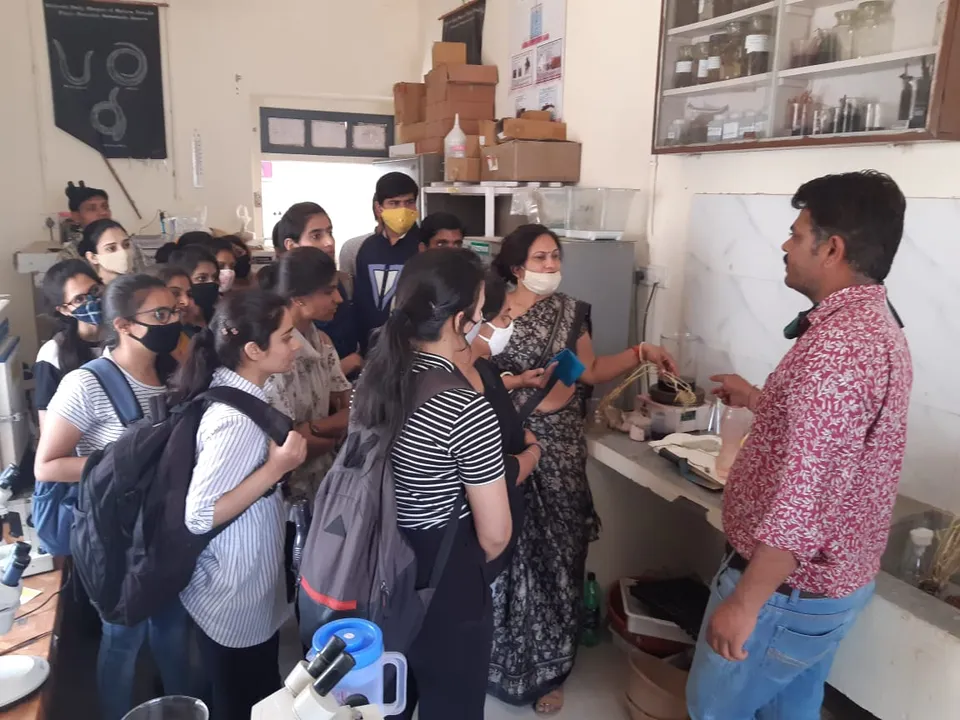
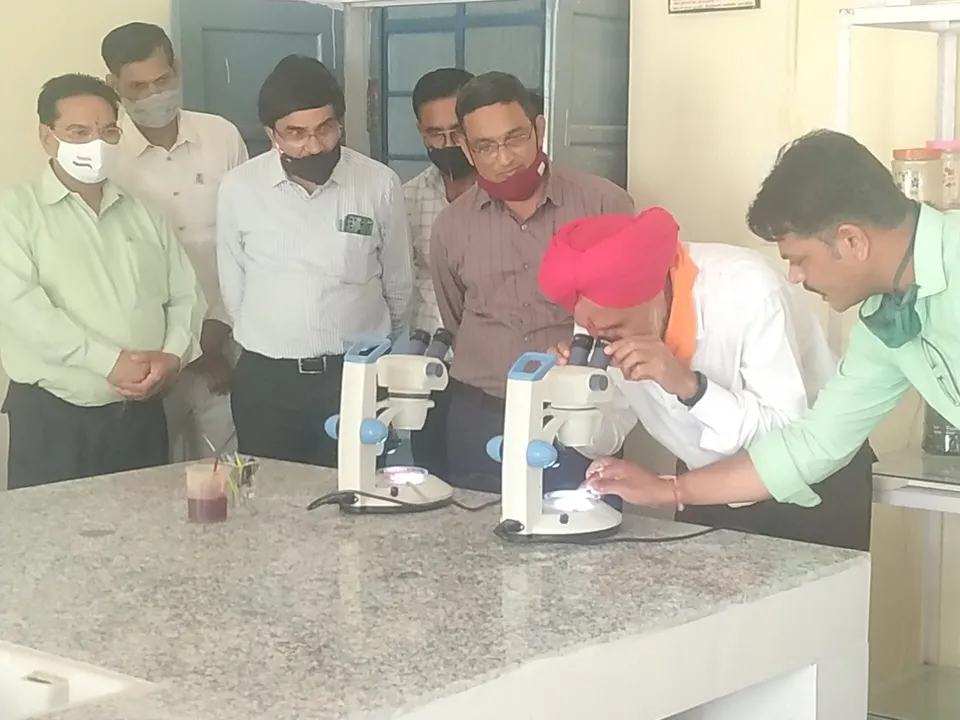
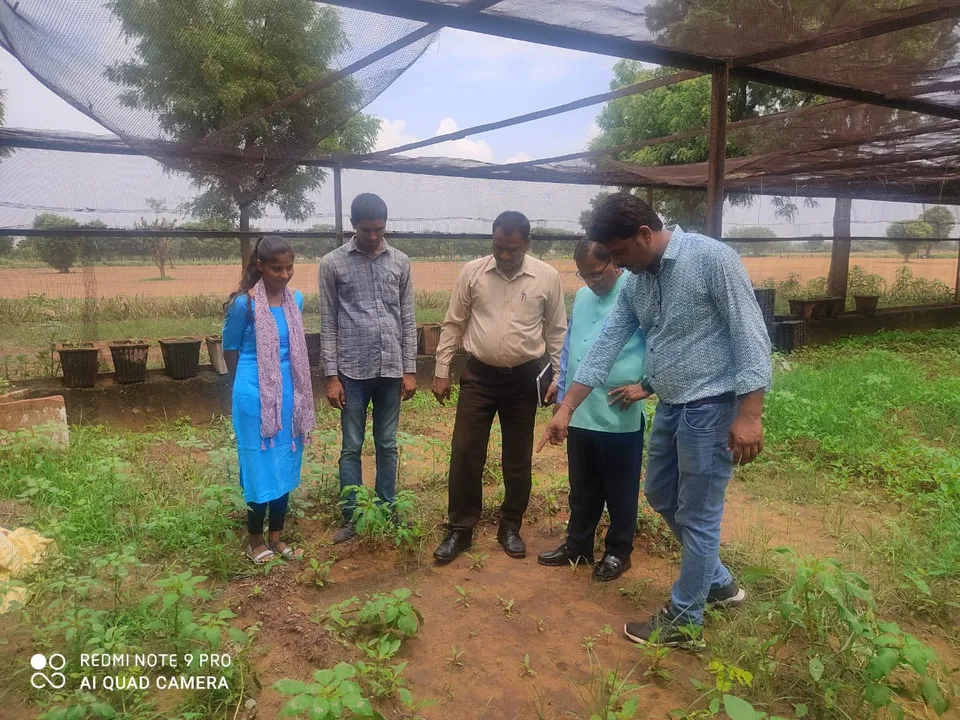
All the required basic facilities of research and teaching (Lab. =1, Isolation Chamber=1, class room=1) are available in the Department. The various equipment’s available are: Soil sample washing unit, Baermann’s funnel assembly, BOD, Stereoscopic microscope, compound microscope, desktops, Projector, water bath, Water distillation unit, Refrigerator, Microwave, Hot Air Oven, centrifuge, laminar flow, sprayers, Cage house and nematode infested field for Nematological Experiments etc.
Facility for Farmers
Nematode Population Estimation in Soil Samples
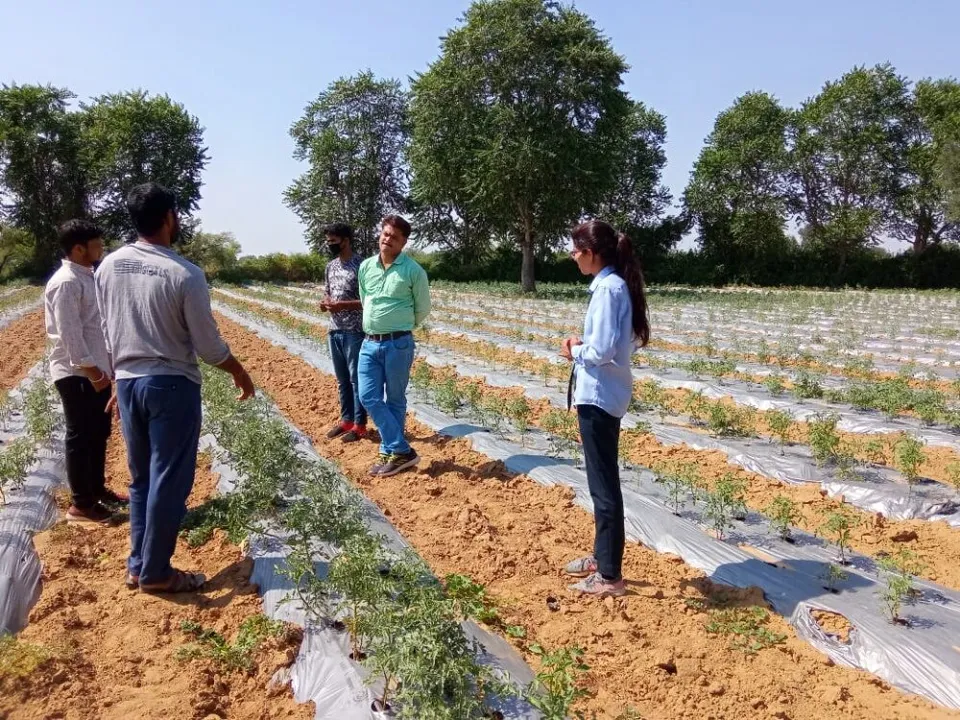
The production of vegetables, fruits and other crops is increasingly hampered by pest and diseases including plant parasitic nematodes. Farmers have been suffering a lot from the damage caused by the nematodes in their fields and are witnessing a huge outbreak especially in the vegetables in polyhouse like tomatoes, cucumbers, chillies, etc. according to different research nematodes cause average 10 to 50 percent losses in different crops and sometime more then it. Nematodes are invisible organism. They mainly feed on the roots of plants, resulting in yellowing in the upper part of the plant, shortening the size of the plant, shortening the size of the plant, decreasing the flowering and fruit, decreasing the size of the fruit, and the formation of knots on the roots at the lower part of the plant, the decrease in the number of roots, there are symptoms of decrease the growth of main root and excess formation of lateral root branches around the main root. The symptoms on the upper part are similar to the symptoms of nutrient deficiency and the farmers are not able to identify the problem properly. Due to this reason crop yields suffer a lot.
To address this problem of farmers, nematode population estimation in soil samples of farmers field has been started at nematology laboratory, Department of Nematology, Sri Karan Narendra College of Agriculture, Jobner, which will provide information about the outbreak of nematode in the field.
Training/Seminar/Symposium etc. organized
- A Prospective on Nematode Problem in Crops and their Management, 05 to 11 December 2023
Awards
- Received best poster presentation award in the national symposium organized by Nematological Society of Indian, New Delhi at Imphal, Manipur.
Staff Information
Teaching staff 2

Dr. Brajnandan Singh Chandrawat
Assistant Professor (Nematology) & Incharge of Department
bschandrawat.nematology@sknau.ac.in7014494742
Full profile
Dr. Bhagwan Singh Dhaked
Assistant Professor (Nematology)
bsdhaked.agmbio@sknau.ac.in8929497403
Full profileFormer Heads
| S. No. | Name of HOD | From | To |
|---|---|---|---|
| 1 | Dr. G.L. Sharma | 2002 | Aug. 2011 |
| 2 | Dr. R. L. Midha | Sep. 2011 | Aug. 2020 |
| 3 | Dr. A.K. Gupta | Sep. 2020 | 12 Jan. 2023 |
| 4 | Dr. B.L. Jat | 12 Jan. 2023 | Dec. 2023 |
| 5 | Dr. M.R. Choudhary | Dec. 2023 | Cont. |
Achievements, Recommendations and Findings
| Name of Book | Year | Author | Publisher |
|---|---|---|---|
| Eco-friendly management of Phytonematodes | 2006 | I. Rajvanshi and G.L. Sharma | Oxford Book Co. Jaipur |
| Phytonematode Management in Field Crops | 2009 | G.L. Sharma | Oxford Book Co. Jaipur |
| Phytonematodes in crops: Their Identification, Treatment & Management | 2011 | G.L. Sharma | New India Publication Agency, N. Delhi |
Publications
| S. No. | Publication Type | Number |
|---|---|---|
| 1 | Book Chapter | 15 |
| 2 | Laboratory Manual | 03 |
| 3 | Research Paper | 102 |
| 4 | Popular Article | 51 |
| 5 | Technical Bulletins | 03 |



Last updated 1 Nov 2026